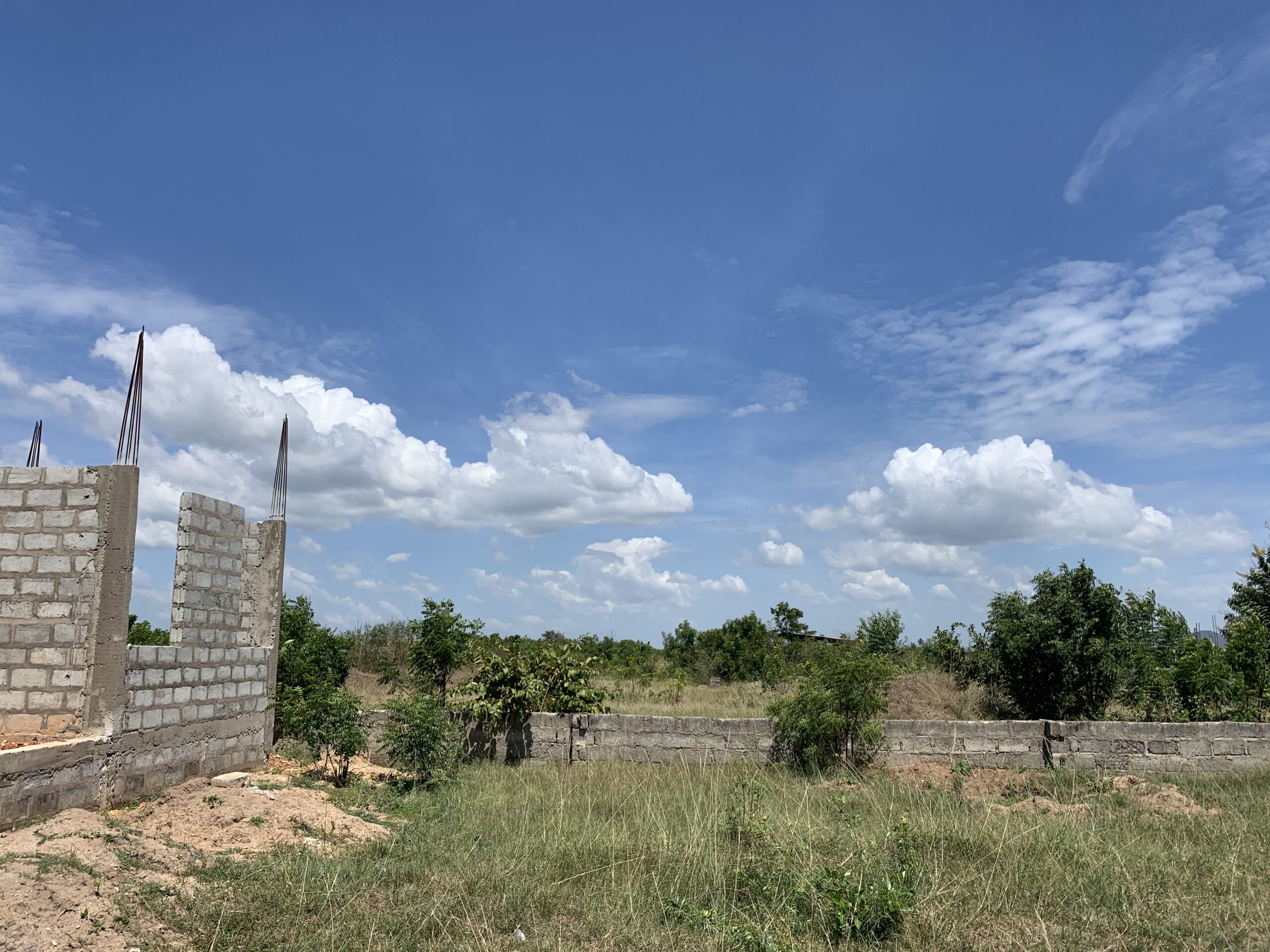
Land Acquisition Challenges in Ghana

Buying land in Ghana can feel like stepping into a maze. People often go in expecting a simple transaction and end up dealing with unexpected twists. The process is manageable, but only if you understand the landscape and the common pitfalls.
One of the biggest issues is unclear ownership. A single plot can have multiple people claiming rights to it, and each of them may have documents that look convincing. This happens when land records are poorly kept or when families disagree internally about who has the authority to sell. It is one reason buyers are encouraged to verify ownership with both the Lands Commission and the family or traditional authority connected to the land.
Another challenge is the rise of land guards. These are groups who claim to “protect” land but often operate outside the law. Their presence creates tension and in some cases intimidation. A buyer who unknowingly deals with the wrong group can end up paying twice or losing the land entirely. The best defence is due diligence and working through reputable agents, lawyers, and surveyors.
There is also the issue of encroachment. A plot may look free and open, but only a proper site plan and search will confirm the exact boundaries. Without that, a buyer might discover much later that part of the land belongs to someone else or has already been reserved for a road or public project. The growing pressure on land in urban areas makes this even more common.
Registration delays add another layer of frustration. Even when all documents are in order, the process of getting a title or lease registered can take far longer than expected. These delays open the door to disputes because unregistered land is harder to defend in a disagreement.
Finally, the different systems of land ownership can confuse first-time buyers. Stool lands, family lands, government lands, and private lands all come with their own structures and expectations. Understanding the traditions and laws around each type is crucial. A transaction may seem simple at first, but can become complicated if a buyer does not follow the proper path within that system.
Despite these challenges, people buy land in Ghana every day and succeed. The difference usually lies in preparation. Working with a lawyer, verifying every document, checking the site yourself, and taking your time can save you from costly mistakes. Ghana’s land market has huge potential. It just requires patience, clarity, and the willingness to ask the right questions before you commit.